
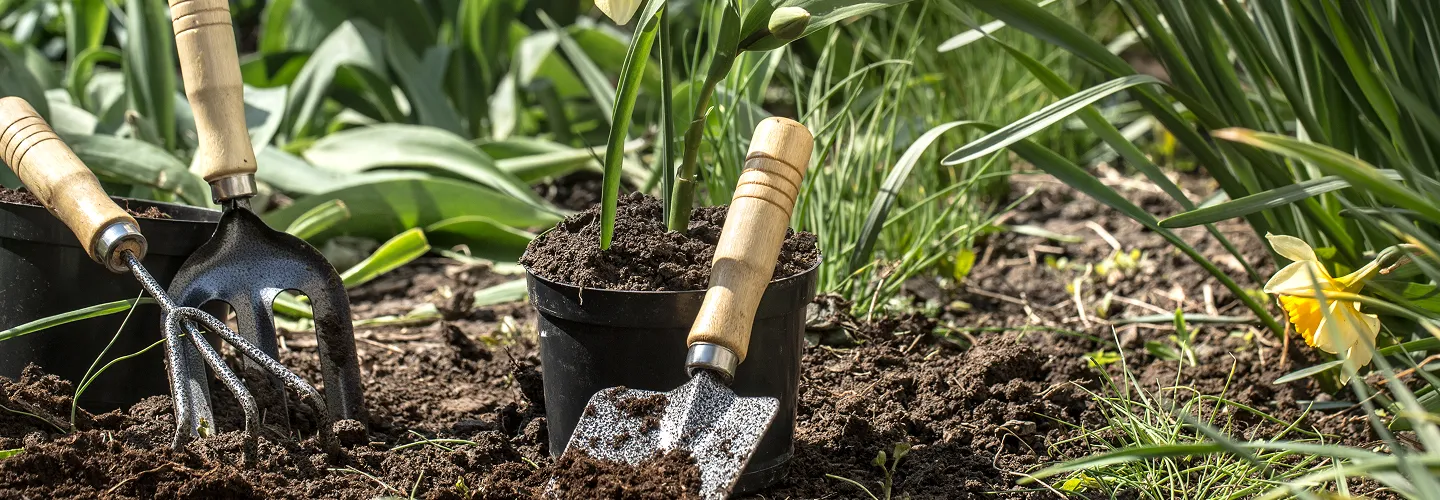
Freetown Weeding Services
Choose our expert weeding services for a healthier, more beautiful landscape—our skilled team removes unwanted growth efficiently, ensuring your plants thrive and your outdoor space stays pristine.
Get a Free QuoteOur Freetown Landscaping & Yard Care Services
When to Schedule Weeding in Freetown, Massachusetts – Seasonal Guide
In Freetown, Massachusetts, the best times to schedule weeding are closely tied to our unique local climate and landscape. Early spring, just after the last frost, is ideal for tackling emerging weeds before they take hold. This timing is especially important in neighborhoods near the Assonet River and the Freetown-Fall River State Forest, where moisture and shade can encourage rapid weed growth. Late summer and early fall are also effective periods for weeding, as the soil remains workable and you can address late-season invaders before they set seed.
Local environmental factors play a significant role in determining the optimal weeding schedule. Freetown’s variable humidity, occasional drought risk, and diverse soil types—from sandy patches in East Freetown to richer loam near Chace Road—require a tailored approach. Homeowners should also consider municipal guidelines and seasonal precipitation patterns, which can be found on the Town of Sudbury’s official site for reference. By understanding these local nuances, you can keep your landscape healthy and weed-free throughout the year.
Local Factors to Consider for Weeding in Freetown
- Proximity to wooded areas like Freetown-Fall River State Forest
- Soil type variations (sandy vs. loamy)
- Average frost dates and risk of late spring cold snaps
- Summer drought potential and irrigation needs
- Shade coverage from mature trees in neighborhoods such as Assonet
- Precipitation patterns and drainage
- Municipal restrictions or guidelines on herbicide use
Benefits of Weeding in Freetown

Enhanced Curb Appeal
Healthier Plant Growth
Weed Prevention Expertise
Eco-Friendly Landscaping Solutions
Time-Saving Professional Service
Improved Soil Quality

Freetown Weeding Types

Manual Hand Weeding
-
Mechanical Weeding
-
Chemical Weed Control
-
Mulching for Weed Suppression
-
Flame Weeding
-
Soil Solarization
-
Selective Weeding
Our Weeding Process
Site Evaluation
Weed Identification
Targeted Removal
Soil Treatment
Final Inspection
Why Choose Freetown Landscape Services
-
Freetown Homeowners Trust Us
-
Expert Lawn Maintenance
-
Reliable Seasonal Cleanup
-
Competitive Pricing
-
Professional Team
-
Satisfaction Guarantee
-
Personalized Service
Contact Freetown's Department of Public Works for Weed Debris Disposal & Municipal Composting Programs
Proper weed debris management in Freetown is essential for environmental protection and compliance with state regulations. The Department of Public Works (DPW) oversees specialized disposal categories: healthy weeds are accepted for municipal composting, while invasive species such as buckthorn, garlic mustard, honeysuckle, and Japanese knotweed must be securely bagged and sent to landfill—never composted. Diseased plants require quarantine and controlled disposal, and seedy weeds must be contained to prevent spread. Soil clods and rocks should be coordinated through the Transfer Station. Yard waste is accepted in biodegradable paper bags only (no plastic per MassDEP), with woody weeds limited to 4-foot bundles under 50 lbs and tied with biodegradable twine. Finished municipal compost is available for soil improvement and restoration projects, with seasonal distribution in spring and fall. Strictly, no debris may be disposed of in streets, gutters, or storm drains to prevent MS4 violations and protect water quality.
Freetown Highway Department
3 North Main Street, Freetown, MA 02702
Phone: (508) 763-2359
Official Website: Freetown Highway Department(https://www.freetownma.gov/highway-department)
Professional Weed Identification & Integrated Weed Management Assessment for Freetown's Glacial Till & Rocky Soils
Accurate weed identification is the foundation of effective management in Freetown’s glacial till and rocky soils. Professional assessment uses taxonomic keys and scientific nomenclature to distinguish annuals (crabgrass, chickweed, lamb's quarters, purslane, foxtail), perennials (dandelions, plantain, violets, ground ivy, white clover), grassy weeds (quackgrass, goosegrass, nutsedge), and invasive species (garlic mustard, buckthorn, honeysuckle, Japanese knotweed, bittersweet). Seasonal emergence patterns are tracked using NWS Boston/Norton. Comprehensive site assessment includes soil condition via USDA Web Soil Survey, moisture, fertility, sun/shade, and plant health, with diagnostic support from UMass Extension. Integrated Weed Management (IWM) thresholds consider both economic and aesthetic injury, as well as beneficial roles of some weeds, such as nitrogen fixation by clover and pollinator support from dandelions.
Massachusetts Conservation Commission Requirements for Weed Control & Water Quality Protection
Freetown’s wetlands and water resources are protected under the Wetlands Protection Act, requiring coordination with the Conservation Commission for any weed control within 25-100 feet of wetlands or streams. Chemical applications may require permits (NOI/RDA), and seasonal restrictions apply during wildlife breeding (March-Aug). Environmental protection measures include groundwater and surface water safeguards, pollinator protection through selective timing, and habitat value assessment to preserve beneficial weedy areas for wildlife. Immediate revegetation and erosion control are required after treatment, with ongoing coordination with municipal stormwater programs and biodiversity conservation goals.
Freetown Conservation Commission
3 North Main Street, Freetown, MA 02702
Phone: (508) 644-2201
Official Website: Freetown Conservation Commission(https://www.freetownma.gov/conservation-commission)
Massachusetts Pesticide Regulations & Professional Licensing Requirements for Chemical Applications
All chemical weed control in Freetown must comply with MA Dept Agricultural Resources regulations. Commercial applicators require Category 36 (Ornamental & Turf) licensing, passing a certification exam on weed biology and IPM, and completing continuing education for recertification every 3-5 years. Applicators must maintain detailed records (date, weather, product, rates, target species, monitoring), and report adverse incidents to MDAR. Federal EPA registration and EPA Region 1 compliance are mandatory for restricted use pesticides. Professional liability insurance of at least 1M (with 2M aggregate recommended), environmental impairment liability, and workers’ compensation are required. Proper documentation and adherence to all safety and environmental standards are essential for legal and effective chemical applications.
Integrated Weed Management Strategies: Cultural, Manual & Mechanical Controls in Freetown
Integrated Weed Management (IWM) in Freetown prioritizes non-chemical methods suited to local soils. Cultural controls include mowing at 3-4 inches, balanced fertilization based on soil tests, adequate irrigation, core aeration, overseeding, and mulching 2-4 inches deep with a 6-inch plant clearance. Manual controls involve hand-weeding, cultivation, hoeing, and flame weeding for gravel paths. Mechanical controls such as string trimming (with debris containment), solarization, and landscape fabric barriers are effective for larger areas. Biological controls encourage natural predators, competitive groundcovers, and allelopathic species like tall fescue. Chemical controls are a last resort, used selectively and with resistance management. Prevention strategies focus on deep mulching, early detection, soil health improvement, and proper plant selection for site conditions.
Seasonal Weeding Calendar & Weather Timing for Freetown's Climate Zone 6b
Freetown’s climate (Zone 6b) shapes the optimal timing for weed management. Early spring (Mar-Apr) is ideal for pre-emergent control when soil temperatures reach 50-55°F; late spring (May-Jun) favors post-emergent annual control and hand-weeding. Summer (Jul-Aug) targets perennial weeds when energy reserves are high, with spot treatments and increased irrigation. Fall (Sep-Oct) is optimal for deep-rooted perennial removal as energy moves to roots. Weather conditions should be 60-85°F (avoid >90°F), with 24-48 hour rain-free periods for herbicides and wind speeds <10 mph. Plant-specific timing and pollinator protection are critical—avoid weeding flowering dandelions and clover during peak pollinator activity. Wildlife protection requires timing to avoid nesting disruption (March-Aug), especially in sensitive habitats.
Post-Weeding Site Management & Stormwater Protection in Compliance with Freetown's MS4 Program
After weeding, immediate site stabilization is required to comply with MS4 stormwater regulations under the Clean Water Act and MassDEP Stormwater Standards. Bare areas must be promptly revegetated within 24-48 hours using appropriate seed mixtures, and mulched 2-4 inches deep with a 6-inch plant clearance. Temporary erosion barriers (silt fence, straw wattles) may be needed during vulnerable periods. Long-term management includes adding 1-3 inches of compost, establishing competitive plant communities, and monitoring for weed resurgence with 30-day and seasonal follow-ups. Best management practices require immediate debris cleanup from impervious surfaces, proper material staging, and coordination with municipal street sweeping and equipment wash water management.
Freetown Board of Health
3 North Main Street, Freetown, MA 02702
Phone: (508) 644-2202
Official Website: Freetown Board of Health(https://www.freetownma.gov/board-of-health)
Invasive Species Management & Specialized Disposal Requirements Under Massachusetts Regulations
Freetown faces significant challenges from invasive weeds such as garlic mustard (Alliaria petiolata), common and glossy buckthorn (Rhamnus cathartica, Frangula alnus), bush honeysuckle (Lonicera spp.), Japanese knotweed (Fallopia japonica), oriental bittersweet (Celastrus orbiculatus), and purple loosestrife (Lythrum salicaria). Removal protocols require timing to prevent seed dispersal, mechanical techniques (pulling, cutting, digging), and strict equipment sanitation using 70% isopropyl alcohol or 10% bleach solution. Invasive debris must be bagged in 6 mil plastic and disposed of at a certified landfill—never composted. Transportation protocols prevent seed spread, and follow-up monitoring at 6-month and annual intervals is essential. Coordination with MIPAG and municipal tracking databases ensures compliance and rapid response.
Tool Sanitation, Worker Safety & Public Health Protection Protocols
Comprehensive sanitation and safety protocols protect both workers and the public in Freetown. Tools and equipment must be disinfected between sites and plants using 70% isopropyl alcohol or 10% bleach solution to prevent pathogen and invasive species transmission. Workers are required to use PPE, including safety glasses, Level A4+ cut-resistant gloves, steel-toed boots, and long sleeves for poison ivy protection. First aid certification, tick awareness (due to Lyme disease prevalence), and heat stress prevention are mandatory. Public health is safeguarded by using barriers, proper timing, and emergency contact procedures for exposure incidents. Ergonomic practices, such as proper lifting, tool selection, and scheduled breaks, further reduce injury risk.
Freetown Board of Health
3 North Main Street, Freetown, MA 02702
Phone: (508) 644-2202
Official Website: Freetown Board of Health(https://www.freetownma.gov/board-of-health)
What Neighborhoods Do We Serve Throughout Freetown, MA?
Freetown’s neighborhoods each present unique weed management challenges. Assonet Village, with its glacial till and high clay soils, experiences poor drainage and high weed pressure, especially near the Assonet River. East Freetown features sandy outwash soils with fast drainage, requiring frequent irrigation and organic amendments. Rocky shallow soils in the Chace Road area limit root depth and favor hardy perennials. Marine clay lowlands near Long Pond have high water tables and require careful timing to avoid compaction. Environmental sensitivities include proximity to wetlands, Zone II wellhead protection areas, and conservation restrictions. Community standards vary, with some areas preferring organic treatments and others prioritizing aesthetics. Infrastructure considerations include narrow streets, mature landscaping, and utility conflicts, all requiring careful planning and municipal coordination.
Freetown Planning Board
3 North Main Street, Freetown, MA 02702
Phone: (508) 644-2201
Official Website: Freetown Planning Board(https://www.freetownma.gov/planning-board)
Freetown Municipal Ordinances for Weeding Equipment Operation & Commercial Service Standards
Freetown’s municipal ordinances regulate equipment operation hours (7:00 AM-7:00 PM weekdays, 8:00 AM-6:00 PM Saturdays; Sunday use often restricted before 9:00 AM or prohibited), noise levels, and residential area limitations. Commercial service providers must register with the Town Clerk, obtain Home Improvement Contractor registration for contracts >$1,000, and maintain insurance (1M minimum, workers’ compensation, environmental impairment liability). Pesticide applicators require MDAR Category 36 certification. Safety protocols include traffic control, equipment maintenance, public notification, and emergency response procedures. Environmental compliance mandates proper material handling, vehicle maintenance, immediate cleanup, and documentation, with oversight from MassDEP and local bylaws. Coordination with the Building Department ensures adherence to all permitting and operational standards.
Freetown Building Department
3 North Main Street, Freetown, MA 02702
Phone: (508) 644-2201
Official Website: Freetown Building Department(https://www.freetownma.gov/building-department)